


FREE 3-PART MASTERCLASS
Watch The Free 2027 Overseas Masterclass Today!
Simply enter your email address below and watch 3 unedited, on-demand streaming sessions with local lawyers & expat specialists.

The climate in Argentina has four main types: warm, moderate, arid, and cold. These are shaped by the country's geography and its latitude.
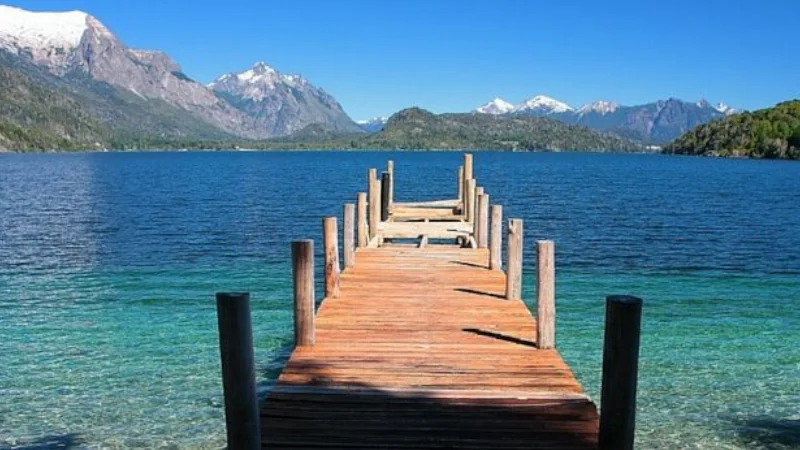
Argentina is a large nation in the Southern Hemisphere, reaching from the Tropic of Capricorn to the southern tip of South America.
The climate in Argentina is quite varied because of its different geographical features, such as the Andes, the Pampas, and the Patagonian Desert.
Also, it can be categorized into four main types: warm, moderate, arid, and cold. These types are shaped by the country’s geography and its latitude.
In the northern part, the climate is tropical, with hot, humid summers and mild winters.
Also, The northeastern Mesopotamia region gets a lot of rain and can experience flooding.
The central Pampas area has a temperate climate, with mild temperatures all year and frequent thunderstorms in summer.
Further south, the climate turns drier, especially in the Cuyo region, which resembles a desert. Summers are hot and dry, while winters are cool and dry with little rainfall.
Patagonia, located at the southern end of Argentina, has a cold, dry, and windy climate. Summers are short and cool, while winters are long and severe, with heavy snow in some regions.
Cerro Aconcagua stands as the highest peak in the Western Hemisphere, while Laguna del Carbon is the lowest area. Argentina boasts abundant natural resources, a rich biodiversity, and a large variety of plant life.
For instance, Argentina’s varied climate leads to several natural disasters, including droughts, floods, tornadoes, and wildfires.
Climate change is also having an effect, causing rising temperatures and changing rainfall patterns that impact agriculture, wildlife, and water resources.
Explore top living destinations, beach communities, highland havens, and city hubs across Argentina.
Practical guidance for planning your life, move, retirement, property purchase, or investment in Argentina.
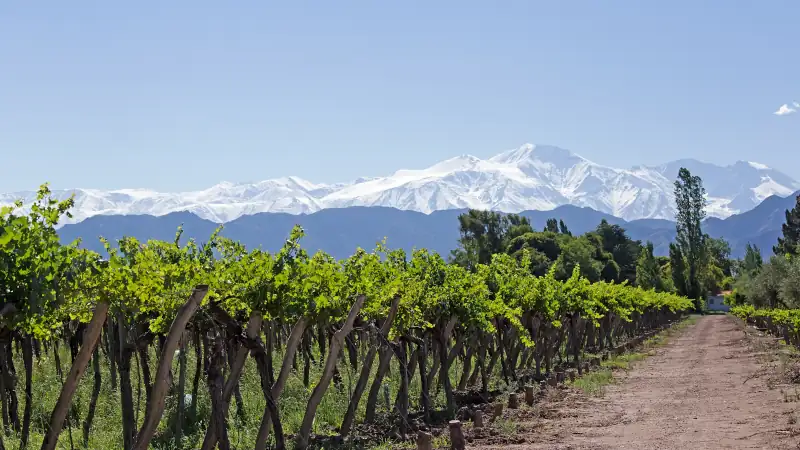
Vines grow in Mendoza, Argentina, producing grapes that are stomped into vintages recognized among the world’s most quaffable. Great wine, thick steaks, dramatic landscapes,…
Read InsightAI has no role at Live and Invest Overseas. Every time we allow AI into the conversation, we give up a little piece of your trust—and trust is the foundation of everything we do. Our strength is simple: real people speaking from real experience, in first person, telling real stories from the ground.
We will never publish AI-generated content. Not from ourselves, and not from anyone submitting to us. Our work is built on judgment, experience, trust, and what’s actually happening on the ground—not scraped summaries or recycled internet information.
When you read us, you’re reading lived experience. The stories, the insights, the perspective—that’s what AI can’t touch. And that’s exactly why we don’t use it.
Top Countries
Budgets
Resources
Real Estate
Conferences
Store
Free Report

© 2008 - Live and Invest Overseas - All Rights Reserved.