


FREE 3-PART MASTERCLASS
Watch The Free 2027 Overseas Masterclass Today!
Simply enter your email address below and watch 3 unedited, on-demand streaming sessions with local lawyers & expat specialists.

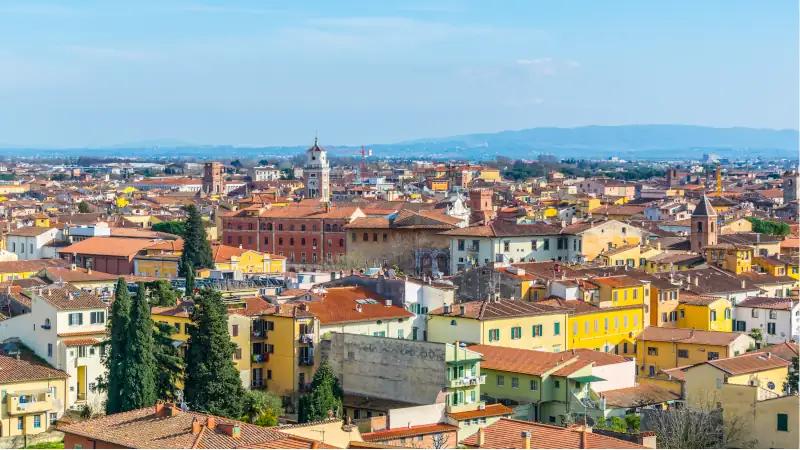
Pisa is an Italian city nestled in the heart of Tuscany that offers history and culture combined with the conveniences of modern living.
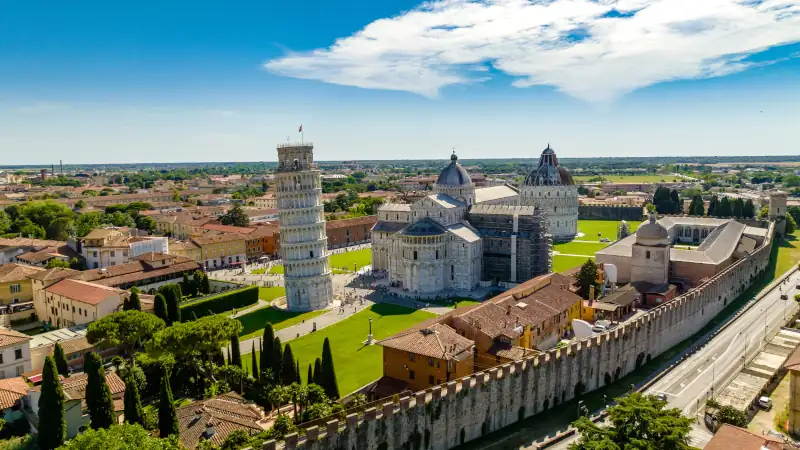
Pisa is so much more than just a tourist trap or an architectural project gone wrong. It’s a vibrant city nestled in the heart of Tuscany that offers history and culture combined with the conveniences of modern living.
So, if you’re considering a move to Italy, you should put this highly liveable, underrated city on your radar.
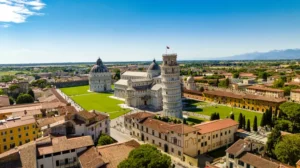
Pisa is rich in historical and architectural heritage, a delight for leisurely strolls with landmarks around every corner. It is of course most famous for its Leaning Tower, but the Piazza dei Miracoli, the UNESCO World Heritage Site where the tower is located, is also home to other iconic buildings like the Pisa Cathedral and Baptistery.
Pisa is a small city of about 90,000 people, but it strikes the ideal balance between a village atmosphere and an urban one.
The pace of life is slow, and there’s a community feel, yet there are also excellent medical facilities, diverse shopping options, and a well-connected public transportation network.
This includes an international airport that makes trips around Europe easy and a train system that can connect you to Florence, Rome, and beyond in hours.
With its cultural richness, historical charm, and modern amenities, Pisa is far more than just a place to visit—it’s a great place to put down roots and enjoy a well-rounded lifestyle.
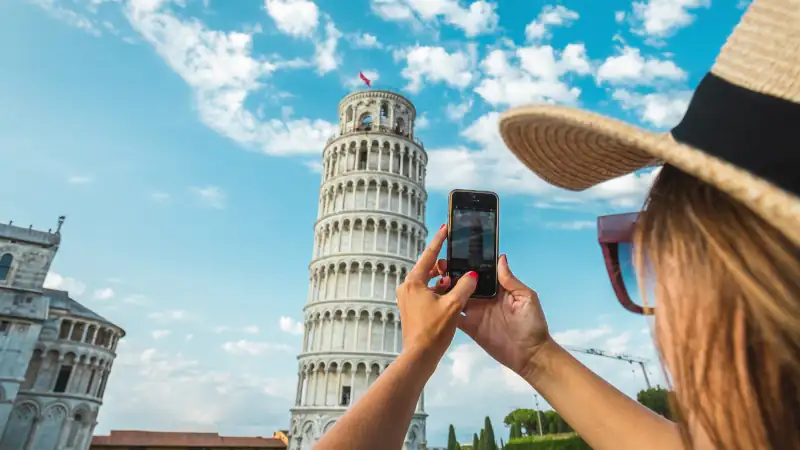
Pisa isn’t home to a massive expat community. Making friends and settling in socially will take some work. You’ll need to seek out other expats by reaching out on forums and being active. To make friends with locals, you’ll need to learn a bit of Italian.
This is a place for someone who’s looking for a challenging yet culturally authentic relocation experience. That said, Pisa is an active, vibrant city of just under 100,000 people. It’s a university town, so it has a buzz about it for most of the year, and there are plenty of affordable places to eat and drink.
Beyond the city, in the other towns and cities of Tuscany, you’ll find scattered pockets of expats. The town of Lucca, about a 30-minute drive from Pisa, has a big expat presence.
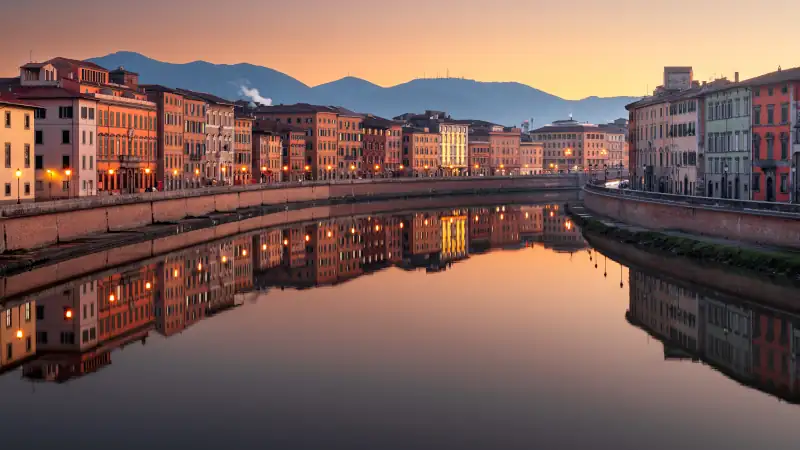
A couple can live comfortably in Pisa on a budget of about €2,000 per month. Remember that this is a university city, so prices for many things—accommodation, restaurant meals, entrance fees, etc.—are aimed at that demographic.
Most importantly, retirees should find Pisa easy on their pockets.
You can rent a two-bedroom apartment for €1,160 a month. High-speed internet and a basic cell phone plan for two people cost just €40, while private car ownership will set you back €85 a month.
One budget item that stands out as more expensive is the cost of utilities, which can run to €190 per month. There are a few reasons for this—limited local energy generation, taxation and fees (Italy tacks extras like TV tax onto your electric bill), and seasonal demand. Electricity costs go up significantly during winter months.
Groceries, however, are significantly cheaper; you’ll spend around €260 a month on basic items for a couple. An active social life including eating out twice a week, drinks twice a week, and a trip to the cinema twice a month won’t cost more than €300 monthly.
In short, cost of living in Pisa, Italy, is 53% cheaper than the cost of living in the United States.
Get a clear breakdown of everyday expenses in Italy—including housing, utilities, groceries, transportation, and healthcare—so you can budget accurately before you make the move.
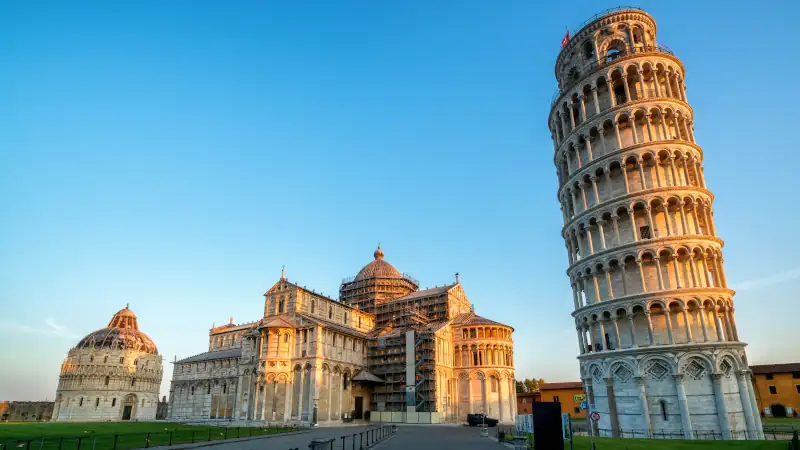
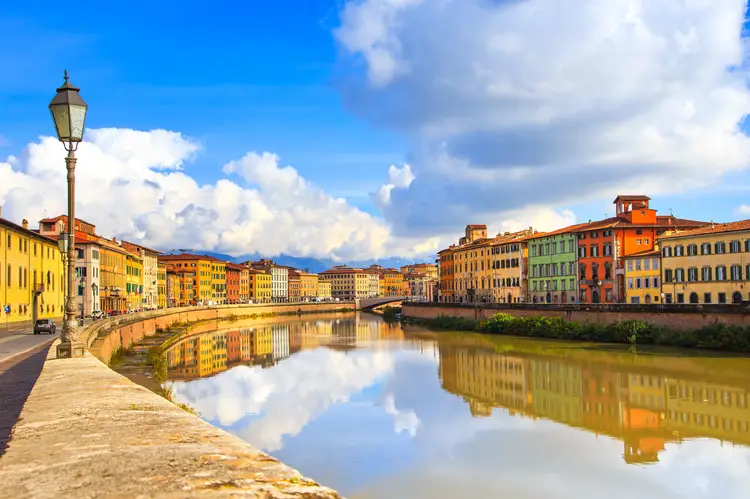
Pisa is steeped in Old World historical charm and full of historical landmarks. Again, it’s not all about the Leaning Tower. There are 20-plus historic churches, bridges across the Arno, and several medieval palaces.
In town, there are several museums where you can take in the region’s history and culture. Also, you can view classical works of art at the Museo Nazionale di San Matteo or contemporary ones at the SMS Centro Espositivo.
There’s a lively performing arts scene hosted at famous venues like Teatro Verdi, an opera house that hosts opera, ballet, and classical music performances, as well as small theaters and cultural centers.
Pisa hosts festivals throughout the year, such as Luminara di San Ranieri in June, which lights up the Arno River with thousands of candles. It also hosts regattas, book festivals, and other unique events.
And you can’t talk about life in Italy without mentioning the fabulous cuisine and wine. Food is central to Italy’s culture, and dining is an experience to savor. You’ll find a wide selection of restaurants, bars, and cafés in Pisa that serve Tuscan classics—panzanella salad, wild boar pappardelle, and more.
Pisa offers a fairly wide selection of outdoor recreation opportunities. The city is mostly flat, making it ideal for cycling, and trails slice through the surrounding countryside.
Pisa is only a 20-minute drive to the coast of the Tyrrhenian Sea and several beaches where you can sunbathe, swim, or do water sports.
In town, you find gyms, parks, and facilities for tennis, soccer, and other sports.
Nearby in Tirrenia, there’s an 18-hole golf course set against picturesque Tuscan scenery.
The Arno River flows through Pisa and provides opportunities for boat rides and laid-back water sports like kayaking and canoeing.
Just outside the city are several nature reserves, such as San Rossore Regional Park, where you can walk or cycle through wetlands, forests, and coastal dunes. The Monti Pisani mountains are perfect for hiking and taking in panoramic views.
Get a practical overview of living in Italy—including lifestyle considerations, local routines, and what newcomers typically wish they knew before moving.
Pisa is a safe place to live. Concerns about violent crime are very low. Petty crime is more of a possibility because so many tourists make their way here.
You should be mindful of your possessions if you’re on public transport, for instance, but overall, crime shouldn’t factor much into your day-to-day life.

Italy’s health care system is one of the world’s best, so you should feel confident having your medical needs taken care of here.
In Pisa, public health care facilities are available through the Servizio Sanitario Nazionale (SSN). This is the national health care system, which provides affordable and comprehensive care to residents.
Cisanello Hospital and Santa Chiara Hospital are public hospitals that provide specialized care and emergency care.
You will also find private facilities in Pisa if you need faster appointments. Facilities here are modern and well-equipped, and medical professionals are highly trained. A basic private consultation costs €22.
Explore how the healthcare system works in Italy, what expats typically do for coverage, and what to expect for day-to-day care—so you can plan with confidence before you move.
Pisa has four seasons, with cool winters (around 38°F or 3°C from December to February) and hot summers (around 85°F or 29°C from June to August). It gets most of its rainfall in summer and autumn.
Snow is rare in Pisa, Italy.
You’ll likely want both heating and cooling systems in your home; however, Europe is notoriously bad when it comes to providing air conditioning. This can make summer temperatures feel much hotter than they are.
The city of Pisa features over historic churches, numerous medieval palaces, and bridges spanning the Arno. Its architecture was supported by its background as one of the Italian maritime republics.
Pisa is a small city, but it strikes the ideal balance between a village atmosphere and an urban one. As a result, a couple can live comfortably on a budget of about $2,000 per month. It’s a good place for retirement.
Explore top living destinations, beach communities, highland havens, and city hubs across Italy.
Practical guidance for planning your life, move, retirement, property purchase, or investment in Italy.
About 120 miles west of mainland Italy, in the Mediterranean Sea, lies the Italian island of Sardinia. Nestled underneath Corsica (a region of France),…
Read InsightAI has no role at Live and Invest Overseas. Every time we allow AI into the conversation, we give up a little piece of your trust—and trust is the foundation of everything we do. Our strength is simple: real people speaking from real experience, in first person, telling real stories from the ground.
We will never publish AI-generated content. Not from ourselves, and not from anyone submitting to us. Our work is built on judgment, experience, trust, and what’s actually happening on the ground—not scraped summaries or recycled internet information.
When you read us, you’re reading lived experience. The stories, the insights, the perspective—that’s what AI can’t touch. And that’s exactly why we don’t use it.
Top Countries
Budgets
Resources
Real Estate
Conferences
Store
Free Report
© 2008 - Live and Invest Overseas - All Rights Reserved.